
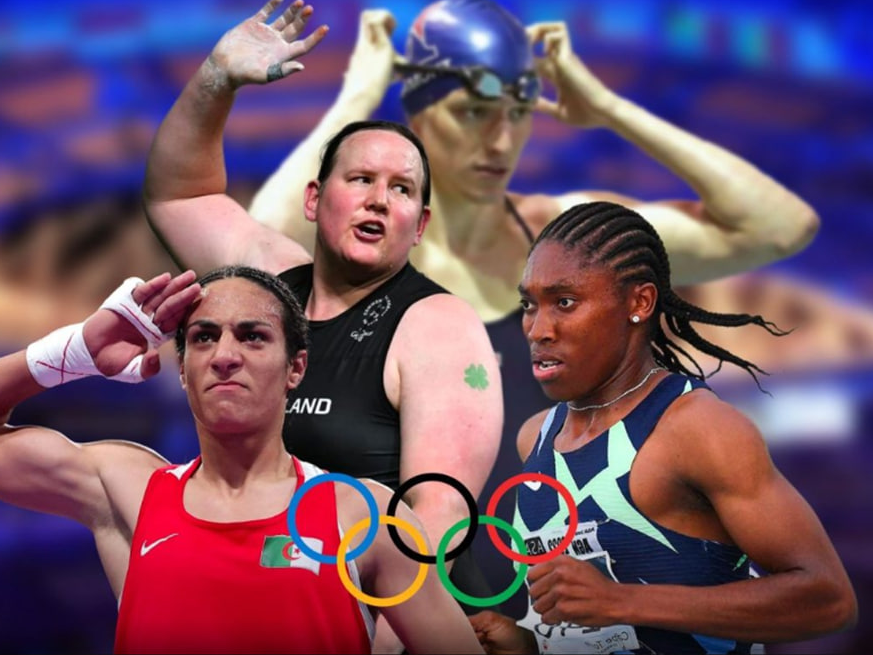
he International Olympic Committee has just approved one of the most consequential decisions in its recent history regarding women’s sport: starting from the Los Angeles 2028 Olympic Games, only women will be eligible to compete in the female category of any Olympic discipline. The measure, adopted during the Executive Board session, brings an end to a debate that for years has strained the structures of elite sport and compromised the fundamental rights of female athletes.
Eligibility Criteria for the Female Category
The new policy establishes a precise and objective eligibility standard: the absence of the SRY gene, a genetic marker found exclusively in male-born individuals and detectable through a simple saliva or blood test. The IOC notes that this marker is “fixed throughout life” and constitutes highly reliable evidence of male sexual development. Athletes only need to undergo the test once, making it a minimally intrusive and clinically robust mechanism.
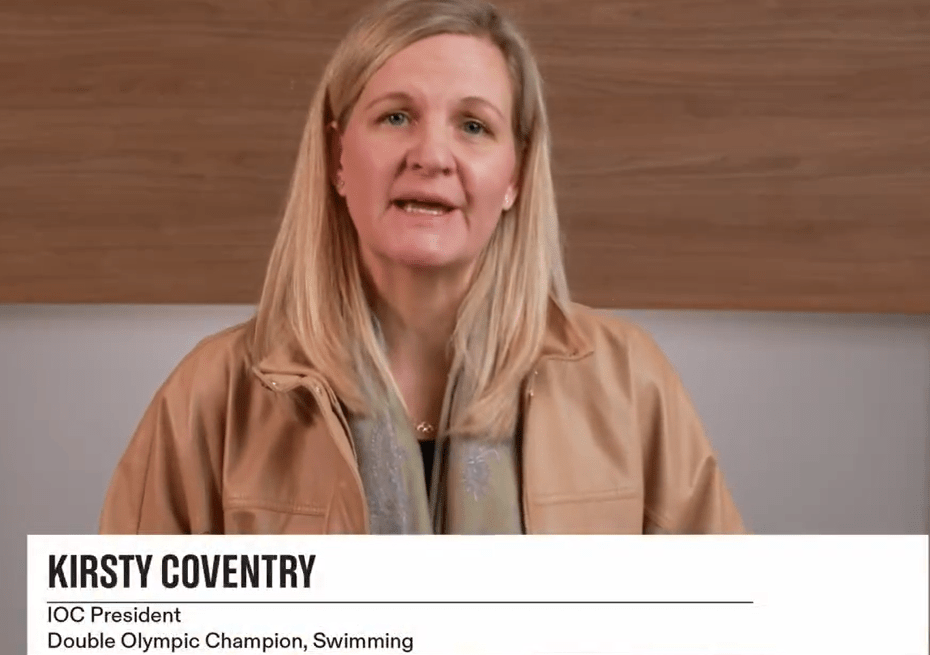
IOC President Kirsty Coventry was explicit when presenting the measure, which she had already advanced during her candidacy: admitting biological males into the female category is “unfair and, in some sports, outright unsafe.” Far from being an ideological assertion, her statement reflects a well-established scientific consensus regarding the physiological differences driven by testosterone in muscle development, bone density and aerobic capacity, which confer competitive advantages to male-born athletes.
The IOC Once Again Knows What a Woman Is
This decision emerges from the controversial boxing tournament at the Paris 2024 Games, where two fighters who did not meet the sex eligibility standards of the international federation were still allowed to compete under IOC oversight. The episode ignited a global debate that extended far beyond sport, raising questions about competitive fairness, athlete safety and the fundamental rights of women in elite competition.
The cases of Khelif and Lin, among others, prompted the IOC to convene a specialized working group to thoroughly reassess its eligibility policies, following remarks by the outgoing IOC president who had claimed he “did not know what a woman is.” The result is this new regulation, which the IOC presents as aligned with the Olympic Charter and the principle of non‑discrimination on the basis of sex. Its purpose is to secure a female category that provides women with equal opportunities to compete at the highest level without jeopardizing their physical integrity or the principles of fair play.
Equity, Safety and Integrity: Three Non‑Negotiable Pillars
From a rights‑based perspective, the IOC’s measure reaffirms a principle that should never have been questioned: the female category exists because, without it, mixed competition would replicate structural inequalities that elite sport cannot ignore. Protecting the female category does not discriminate against anyone; it ensures that women compete under conditions of genuine equity and physical and legal safety.
The new policy will apply across all disciplines on the Olympic program and, for now, will not extend to grassroots or recreational sport, where priorities and contexts differ. Its scope is specific: elite sport, where physiological differences directly shape outcomes, opportunities and the integrity of competition itself.
A Victory for Women
It is no minor detail that the architect and signatory of this decision is Kirsty Coventry, an Olympic swimmer and the first woman to serve as IOC President. Her sporting career is not mere biographical context—it is lived legitimacy. She understands firsthand what is at stake when the integrity of the female category is eroded.
This decision is also the fruit of years of sustained advocacy by women’s organisations, active and retired athletes, legal experts and feminist groups who, often against the tide, have consistently defended the principle that the female category is not a concession but a right. Many of these voices are part of the International Consortium on Women’s Sport.
Supporting that stance with notable authority was the UN Special Rapporteur on violence against women and girls, Reem Alsalem, whose position has been unequivocal: protecting women’s sport is a human rights obligation toward women and girls, directly linked to state commitments under the Convention on the Elimination of All Forms of Discrimination against Women (CEDAW) and consistent with the principles of the Olympic Charter, which enshrines non‑discrimination on the basis of sex as a foundational value of the Olympic Movement. The IOC’s decision simply upholds the Olympic Charter and the fair‑play standards that must govern sport.
Next challenge: grassroots sport.
Créditos de fotos a quien corresponda.

 JuristaFeminista
Deja un comentario