
Sandra Moreno
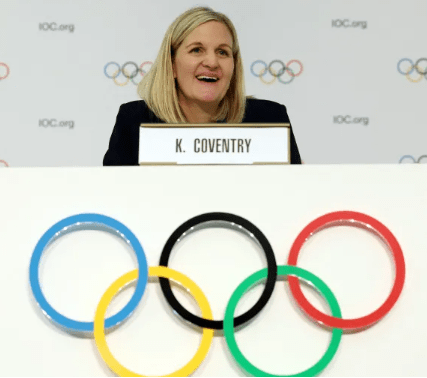
Women’s sport has reached a turning point. The International Olympic Committee’s decision to require sex verification as an eligibility criterion for competition in the women’s category from the 2028 Olympic Games onwards is neither an institutional whim nor a concession to political pressure: it is a belated, but necessary, response to a reality that has for years undermined the fairness, safety and very existence of women’s sport.
The women’s category exists precisely because biological sex determines objective differences in physical performance. Sex is not an identity or a belief: it is a factual datum inscribed from conception in the chromosomes and reproductive biology of every person. Those born male who undergo male puberty develop competitive physiological advantages — greater muscle mass, bone density and lung capacity — that do not disappear with hormonal treatment. Allowing people with that biological history to compete in the women’s category does not extend equality; it destroys it, and it harms women athletes.
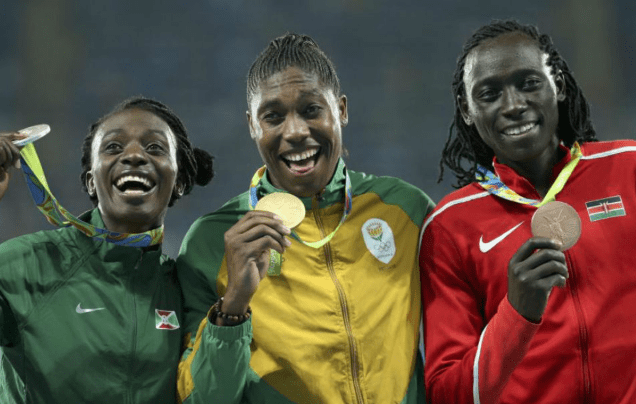
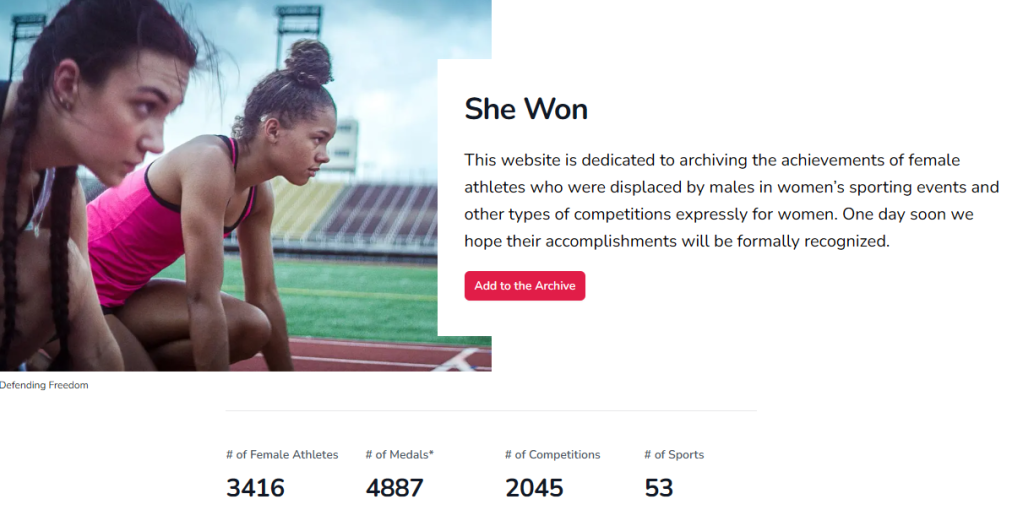
890 women across 29 sports let down
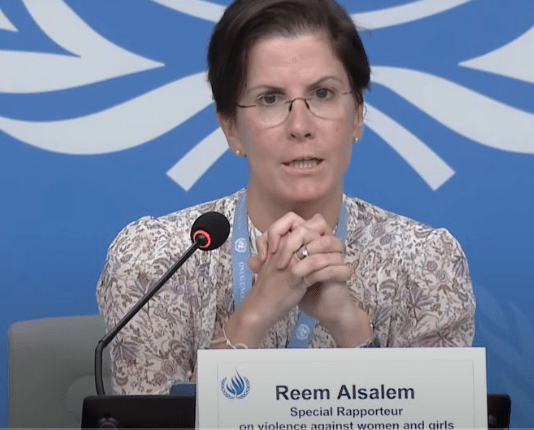
The impact is not theoretical. A report by the UN Special Rapporteur on violence against women documented that 890 female athletes across 29 different disciplines lost access to medals, scholarships and opportunities as a result of competing against males who self-identify as transgender or who have differences of sexual development (DSD) and who had undergone male puberty. The IOC’s so-called inclusion policies ended up excluding women from their own category, after years of training and sacrifice.
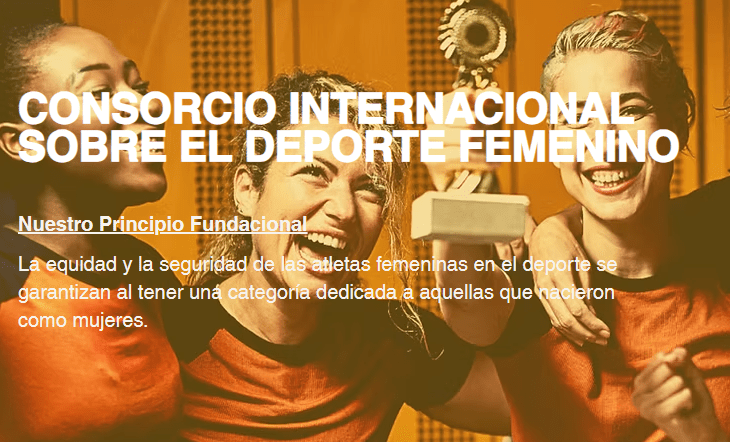
Feminist and women’s sports organizations from Spain and other countries, such as La Alianza Contra el Borrado de las Mujeres and The International Consortium on Female Sport (ICFS) have spent years raising the alarm about this situation and backing the position that the IOC has now finally adopted: the women’s category must be based on biological sex, not gender identity. This does not deny rights or opportunities to transgender people, who may compete according to their biological sex. The point is to protect the material and symbolic spaces that belong to women in sport.
The IOC has shown the way; federations must follow
Several international governing bodies have already acted. World Athletics, World Rugby, World Aquatics and the International Boxing Federation have banned athletes who carry the SRY gene or who have undergone male puberty from competing in the women’s category. These decisions are grounded in scientific evidence and in the principle of fair play.
FIFA, however, has yet to take that step, despite having been reviewing its regulations since 2022 in consultation with experts, with a view to guaranteeing both fairness and inclusion, and despite its stated commitment to the Women’s Health Project, which takes into account the particular characteristics of the female body. Given the current direction of travel in women’s sport — and the growing pressure from the United States, which has formally demanded that FIFA determine sex eligibility in line with biology — it is reasonable to expect that football’s world governing body will ultimately adopt the same standard.
The Spanish obstacle: the Trans Law
In Spain, aligning with the IOC’s guidelines runs into a fundamental legislative problem: the Law for the Real and Effective Equality of Trans Persons, Law 4/2023, passed in 2023. This legislation places gender identity above biological sex and permits self-identification of sex without any medical, clinical or administrative requirement whatsoever.
This creates serious legal uncertainty: a man who registers as a woman is entitled, under that law, to formally demand participation in the women’s category, since the trans law grants him the status of a registered woman for all legal purposes.
The Minister of Sport in favour
It is telling that, in line with the position of the Partido Popular, the Minister of Sport recently expressed her agreement that national sports federations should align their regulations with the IOC’s guidelines. This stance is an implicit acknowledgement that sports policy cannot be held hostage to a law that rests on premises incompatible with biology. If the minister responsible shares that view, the Government has an obligation to remove the legal obstacles that stand in the way; and national federations are equally called upon to follow the path laid out by the IOC and those international governing bodies that have already adopted biology-based sex eligibility criteria.
Quite apart from the question of whether the trans law ought to be repealed —given the constitutional infirmities it may be found to contain — or declared unconstitutional by the Constitutional Court, and from the need to revise the relevant provisions of the Sports Law, it is worth noting that the trans law itself contemplates restrictions in women’s sport for males who self-identify as transgender or with DSD. Article 26.3 of Law 4/2023 states that «sporting practices, events and competitions in the sphere of federated sport shall be governed by the applicable specific regulations, whether national, regional or international, including anti-doping rules, which, in a justified and proportionate manner, are designed to prevent competitive advantages that may run contrary to the principle of equality.»

The duty to protect women’s sport
The women’s category in sport is not a privilege or a concession: it is a historic achievement of the women’s movement, the fruit of decades of struggle for recognition of the right to compete on equal terms with men. That space can only be preserved if it is founded on biological sex. Any other basis empties it of meaning — as Sebastian Coe put it, in remarks reported by Iusport: without sex testing, women’s sport would cease to exist.
The IOC has taken a courageous, just and necessary decision. International and national federations must follow its lead. And public authorities have an obligation to create the legal framework that effectively protects the women’s category. They must do so now, because fair play and the safety of women athletes cannot withstand any further delay.
Copyright belongs to the respective owners
Article published in its Spanish version in IUSPORT, by Sandra Moreno


Deja una respuesta